
Sciatic nerve pain can make even simple movements feel risky. One wrong stretch or sudden motion can turn mild discomfort into sharp pain, which is why many people feel unsure about what exercises are actually safe to try. When it comes to sciatica, knowing what to avoid is just as important as knowing what helps.
In this guide, we break down common sciatic nerve stretching mistakes and explain safer alternatives you can use instead. You will learn how to protect your lower back and legs while still improving mobility and easing tension without worsening symptoms.
What Is Sciatic Nerve Pain?
The sciatic nerve runs from your lower back through your hips and down each leg. When it becomes irritated, pain can shoot, burn, or tingle along that path. Some people feel it in the lower back. Others notice it more in the glutes or calves.
Stretching can ease pressure around the nerve. But stretching the nerve itself too aggressively often makes symptoms worse.
Why Sciatic Nerve Stretching Requires Caution
Sciatic pain is different from tight muscles. Muscles respond well to length and gentle tension. Nerves do not. When a nerve is irritated, pulling on it can increase sensitivity rather than calming it. Safe lower back stretches can help relieve tension and support the sciatic nerve when done gently. The key is mild, controlled movements that avoid sharp pain or overstretching.
A safe stretch should feel mild and controlled. Sharp pain, numbness, or tingling during a stretch usually means the nerve is being stressed.
Common Sciatic Nerve Stretching Mistakes to Avoid
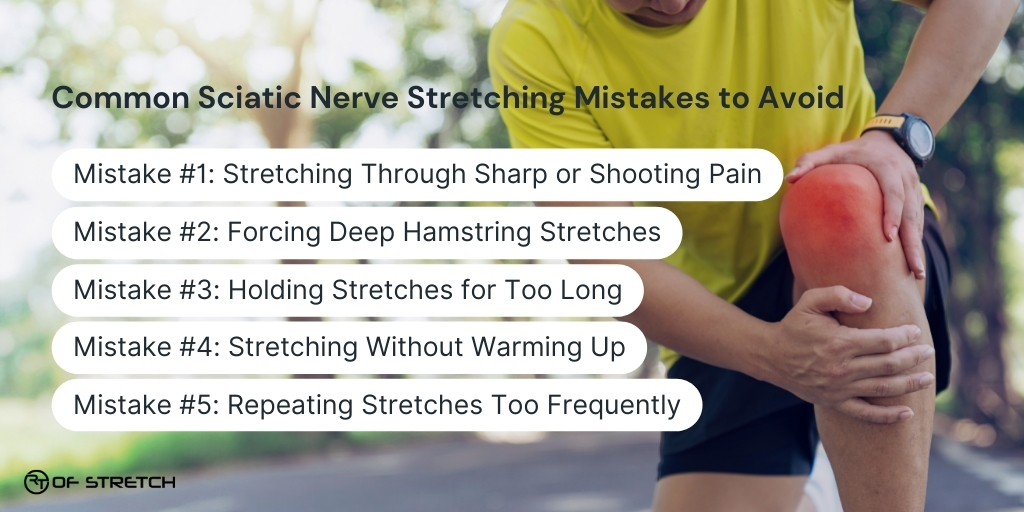
Mistake #1: Stretching Through Sharp or Shooting Pain
Pain is not a sign of progress when nerves are involved. If a stretch causes sudden zaps, burning, or electric sensations, the nerve is reacting negatively. Pushing through this can lead to longer flare-ups and slower recovery.
A safer option is to stop before pain appears and focus on comfort instead.
Mistake #2: Forcing Deep Hamstring Stretches
The hamstrings sit close to the sciatic nerve. Some types of stretch, especially aggressive hamstring stretching, can place direct tension on the sciatic nerve when the leg is fully straight. This can increase tension rather than provide relief.
Keeping a slight bend in the knee reduces strain and allows the area to relax.
Mistake #3: Holding Stretches for Too Long
Holding stretches for extended periods is a common mistake when stretching, especially for people trying to ease tight muscles. Long static holds are often recommended for muscles, but nerves prefer shorter exposure. Holding a stretch for too long can irritate the sciatic nerve and trigger symptoms after the stretch ends.
Short holds with breaks in between are usually easier on the body.
Mistake #4: Stretching Without Warming Up
Cold muscles and stiff joints place extra stress on surrounding nerves. Stretching right after waking up or sitting for long periods increases the risk of discomfort.
A few minutes of light movement helps prepare the body before stretching begins.
Mistake #5: Repeating Stretches Too Frequently
Stretching the same area several times a day can keep the nerve irritated. Rest is part of recovery. If pain increases after stretching sessions, frequency may be the issue.
Spacing sessions out often leads to better results.
Safe Alternatives to Traditional Sciatic Nerve Stretches
Gentle Mobility-Based Movements
Slow movements that guide the legs and hips through a comfortable range often calm symptoms better than deep stretches. These movements encourage circulation and reduce stiffness without pulling on the nerve.
Seated and Supported Stretch Positions
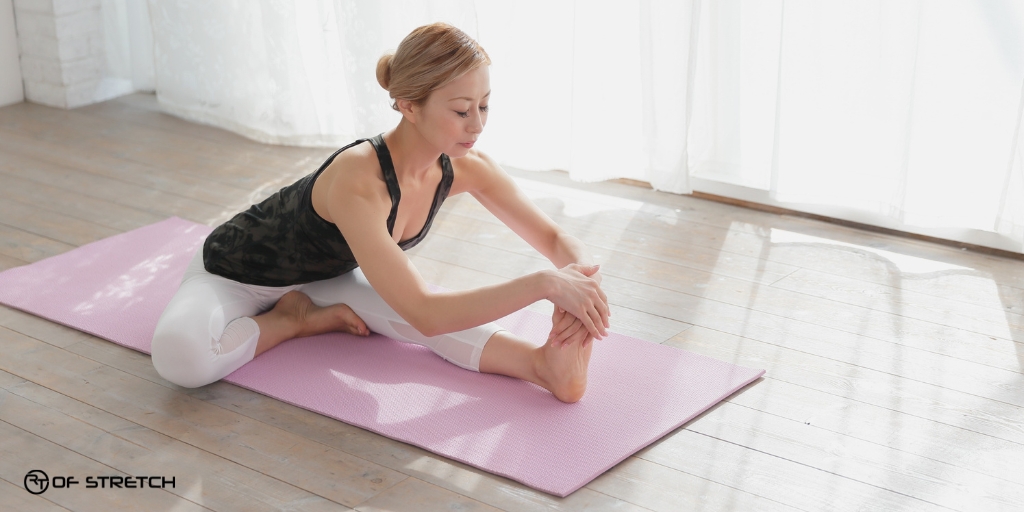
Safe sciatic nerve stretches can also be done while seated or using cushions for support. Sitting properly helps control posture, reduces strain on the lower back, and keeps the nerves comfortable during stretching. This makes it easier to maintain consistent movement without triggering pain.b
Short, Controlled Stretch Durations
Ten to twenty seconds is often enough. Short holds allow the body to adjust without overwhelming sensitive nerves. Pausing between repetitions also helps prevent irritation.
Assisted Stretching for Sciatic Comfort
Assisted stretching services allow another person to guide the movement while monitoring resistance. This support helps limit overstretching and keeps movements within a safe range. Many people find assisted stretching more comfortable when dealing with sciatica.
How to Know If a Stretch Is Helping or Hurting
Helpful stretches usually lead to a sense of ease after finishing. Movement may feel smoother. Pain should not increase later in the day.
Warning signs include lingering pain, increased tingling, or symptoms traveling farther down the leg. These signals mean it is time to adjust or stop.
Final Thoughts
This sciatic nerve stretch safety guide shows that relief does not come from pushing harder. It comes from choosing the right movements, avoiding common mistakes, and respecting how nerves respond to stretch. Safe alternatives can help reduce pain while protecting your body long term.
Get Support for Safer Sciatic Stretching
Stretching with sciatic nerve pain does not have to feel risky. At RT OF STRETCH, assisted stretching sessions focus on safety, control, and comfort. Guided support helps reduce strain while improving mobility.
Book a session today and give your body the care it deserves.
FAQs
Should I stretch every day if I have sciatic pain?
Some people benefit from daily gentle stretching, while others need rest days. The key is watching how your body reacts afterward.
Is sciatic nerve pain the same as tight muscles?
No. Nerve pain behaves differently and needs a gentler approach than muscle tightness.
Can stretching make sciatica worse?
Yes, especially if stretches are forced, held too long, or done without warming up.
Are seated stretches better for sciatica?
Often yes. Seated positions provide more control and reduce strain on the lower back.
When should I stop stretching?
Stop if pain increases, symptoms spread, or discomfort lingers after the session.