
Stretching is one of the simplest ways to stay flexible, prevent injuries, and improve performance, but it’s easier than you think to do it wrong. Many people stretch the wrong muscles, hold positions too long, or skip warm-ups, turning a healthy habit into a source of strain or frustration. Even experienced athletes can fall into these common pitfalls without realizing it.
Here are the most common stretching mistakes and how to avoid them so you can stretch safely and see real results.
Mistake #1: Stretching Without Warmups
Stretching cold muscles is one of the fastest ways to strain them. Muscles need a little movement first to stretch safely.
How to Avoid It: Warm up for three to five minutes with light movement like walking, arm circles, or leg swings. Your body will feel better and stretch more easily.
Mistake #2: Holding Static Stretches for Too Long
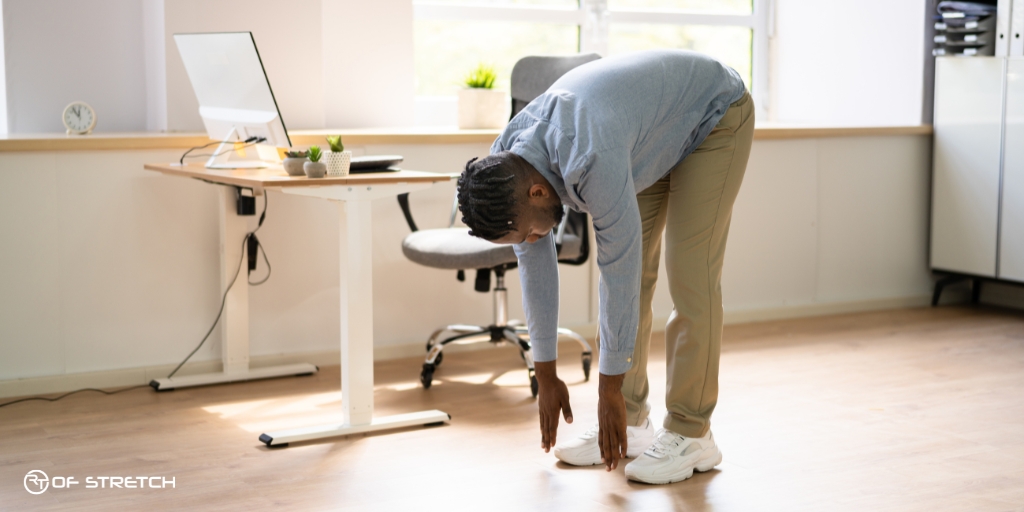
Some people hold stretches for a full minute or more, thinking it will make them flexible faster. In reality, long holds can tire your muscles.
How to Avoid It: Hold each stretch for 15 to 30 seconds. That is enough time to improve flexibility without stressing your muscles.
Mistake #3: Stretching Only When in Pain
Stretching should not be something you do only when your back hurts or your legs feel tight. Inconsistent stretching does not help your body improve.
How to Avoid It: Make stretching part of your daily routine. Even five minutes a day can prevent muscle tightness, improve mobility, and help you fully experience the benefits of stretching.
Mistake #4: Bouncing While Stretching
Some people bounce during a stretch to go deeper. This is risky and can cause small muscle tears.
How to Avoid It: Move slowly and stay in control. Stretch until you feel a light pull and hold. Never bounce or force your body.
Mistake #5: Ignoring Breathing
Many people hold their breath while stretching. This makes the body feel tense instead of relaxed.
How to Avoid It: Breathe slowly. Inhale through your nose and exhale through your mouth. Let your body relax deeper into the stretch as you breathe.
Mistake #6: Poor Form and Posture

Rounding your back, twisting your hips, or leaning too far can reduce the benefit of a stretch and place pressure on your joints.
How to Avoid It: Keep your spine neutral. Focus on form and proper stretching techniques. The goal is quality, not how far you can reach.
Mistake #7: Overstretching
Stretching is not supposed to hurt. Forcing a deep stretch does not improve flexibility faster. It increases the chance of injury.
How to Avoid It: Stop at a light stretch. You should feel a gentle pull, never sharp pain. Stretching should feel good, not painful.
Mistake #8: Skipping Opposing Muscle Groups
It is easy to focus only on tight areas, like hamstrings or shoulders, and forget to stretch the muscles that work with them.
How to Avoid It: Stretch both sides of the body. If you stretch your chest, stretch your back as well. If you stretch your quads, stretch your hamstrings too.
Mistake #9: Rushing Through Stretches
Quick, rushed stretches do not help your muscles loosen. Rushing can also lead to bad form.
How to Avoid It: Slow down. Take time with each stretch. Focus on how your body feels and move with control.
Mistake #10: Not Stretching After Exercise

Many people skip stretching after workouts. This leaves muscles tight, sore, and stiff.
How to Avoid It: Stretch right after you exercise while your muscles are warm. This helps your body recover and reduces next-day pain.
Mistake #11: Forgetting Important Muscle Groups
Some people stretch only their legs or arms, ignoring key areas like the hips, glutes, and lower back.
How to Avoid It: Stretch your whole body. Focus on areas that affect daily movement, such as the hips, hamstrings, calves, shoulders, and neck. This also helps ease back pain from sitting.
Mistake #12: Comparing Your Flexibility to Others
Everyone has a different body. Flexibility depends on age, activity level, and muscle tightness. Comparing yourself to others can make you push too hard.
How to Avoid It: Go at your own pace. Small progress over time is better than rushing and getting injured.
Final Thoughts
Stretching is one of the best things you can do for your body as long as you do it correctly. Avoiding these common stretching mistakes will help you stay safe, prevent pain, and improve your flexibility. Start slow, listen to your body, and stay consistent. Safe stretching is better than overdoing it. Your body will thank you.
Get Help Building a Safe Stretching Routine
If you want stretching that actually works and supports your body properly, a guided program can help. RT OF STRETCH offers assisted stretching that improves flexibility, reduces pain, and restores movement safely.
Ready to feel better in your body? Book your session with RT OF STRETCH today!
FAQs
How long should I stretch each day?
Even just five to ten minutes a day can make a big difference. The key is consistency—short, regular sessions help maintain flexibility and prevent muscle tightness better than occasional long stretches. Make it part of your daily routine for best results.
Should stretching hurt?
No, stretching should never cause sharp pain. You should feel a gentle pull or tension in the muscles, but it should be comfortable. If you feel pain, ease off immediately. Listening to your body prevents injuries and ensures you get the full benefits of stretching.
When is the best time to stretch?
You can stretch at any time of the day, but certain moments are more effective. Dynamic stretches are best before exercise to warm up muscles, while static stretches work well after workouts or in the evening to help relax muscles and improve recovery.
Can stretching help with back pain?
Yes! Stretching key areas like your hamstrings, hips, glutes, and lower back can relieve tension and improve posture. Doing gentle stretches consistently may reduce discomfort from sitting long hours or morning stiffness, making daily movements easier and less painful.