
Back pain is one of the most common health complaints, but did you know that sciatica and lower back pain aren’t the same? While they may seem similar, understanding the differences can make a significant difference in how you manage your symptoms and find relief. Whether you’re an athlete, senior, or someone recovering from an injury, knowing how to distinguish between sciatica and lower back pain and incorporating targeted stretches can lead to a faster recovery.
What is Sciatica?
Sciatica refers to pain that travels along the sciatic nerve, which stretches from the lower back, through the hips and buttocks, and down to the legs. The pain usually starts in the lower back or buttocks and can spread down the leg, occasionally reaching the foot.
Symptoms of Sciatica:
- Pain type: Sharp, burning, or shooting pain.
- Location: Affects one side of the body and travels down the leg.
- Other signs: Numbness, tingling, or weakness in the affected leg/foot.
What Causes Sciatica?
Sciatica is usually the result of pressure or irritation on the sciatic nerve. Some common causes include:
- Herniated or bulging discs in the spine.
- Spinal stenosis which narrows the spaces in the spine.
- Piriformis syndrome occurs when piriformis muscle in the buttocks becomes irritated, causing it to apply pressure to the sciatic nerve.
Stretches for Sciatica:
If you’re experiencing sciatica, gentle stretching can help relieve pressure and reduce pain. Here are a few sciatic nerve stretches that can provide relief:
- Seated Piriformis Stretch: Sit upright, cross the affected leg over the opposite knee, and slowly lean forward until you feel a stretch in your buttocks.
- Knee-to-Chest Stretch: Lying on your back, gently pull one knee towards your chest and hold the position for 20–30 seconds before switching legs. This helps relieve pressure in the lower back and buttocks.
- Nerve Glides: While seated, extend your affected leg straight in front of you, then gently point and flex your toes to move the nerve. This helps relieve nerve irritation.
What is Back Pain?
Unlike sciatica, back pain (or lumbar pain) is usually limited to the lower back. The pain can shift from a dull ache to intense, sharp discomfort, often worsened by movements such as bending, lifting, or prolonged sitting.
Symptoms of Lower Back Pain:
- Pain type: Dull, aching soreness or sharp pain.
- Location: Confined to the lower back.
- Other signs: Rarely involves numbness or tingling in the legs, except in severe cases.
What Causes Lower Back Pain?
Lower back pain can result from several different causes, including:
- Muscle strain or overuse from heavy lifting or poor posture.
- Degenerative disc disease where the discs in the spine wear down over time.
- Spinal misalignments that affect the posture and movement.
Stretches for Lower Back Pain:
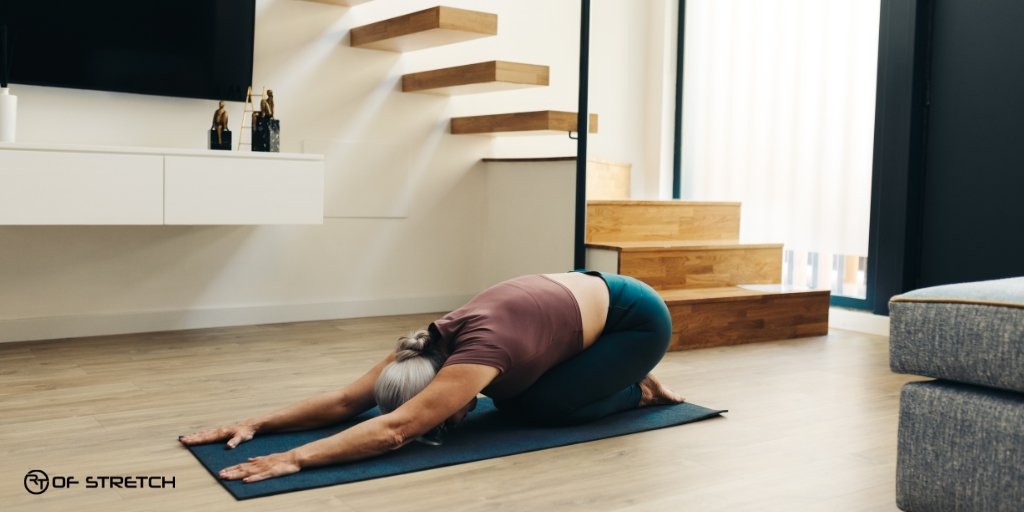
For general lower back pain, the following lower back stretches can help increase flexibility and relieve stiffness:
- Child’s Pose: A yoga posture that targets the stretch of the lower back and helps relax the spine.
- Cat-Cow Stretch: On all fours, switch between arching your back up toward the ceiling (cat) and lowering it toward the floor (cow) to ease tension.
- Knee-to-Chest Stretch: This stretch helps open the lower back and can ease discomfort.
How to Tell the Difference Between Sciatica and Back Pain

It’s easy to confuse sciatica and lower back pain, but knowing the symptoms can help you figure out what’s causing your discomfort. Here’s how to tell the two apart:
Aspect | Sciatica | Back Pain |
Pain Location | Starts in the lower back or buttocks and radiates down one leg. | Confined to the lower back. |
Pain Type | Sharp, burning, or shooting pain, often described as an electric shock. | Dull, aching soreness or sharp pain in the lower back. |
Affected Side | Typically affects one side of the body. | Can affect both sides of the back. |
Associated Symptoms | May include numbness, tingling, or weakness in the leg or foot. | Rarely includes numbness or tingling. |
Aggravating Factors | Prolonged sitting, standing, sneezing, or coughing. | Bending, lifting, or sitting for long periods. |
Relief Factors | Stretching, walking, changing positions. | Resting, stretching, proper posture. |
Final Thoughts
The difference between sciatica vs lower back pain can be hard to spot, but knowing the key symptoms and understanding the causes can help you find the proper treatment. Stretching plays an essential role in relieving both conditions, but it’s important to pay attention to your body and consult a healthcare provider if symptoms persist or worsen.
Whether you’re experiencing sciatica or general back pain, stretching is an effective way to alleviate discomfort and improve mobility. You can also learn more about the benefits of stretching, so you can get back to living your life without the constant nag of pain holding you back.
Ready to Find Relief?
If you are dealing with sciatica or lower back pain, don’t wait to start feeling better. Adding stretches to your daily routine can offer quick relief and increase flexibility. Whether you’re looking for tips to manage your pain on your own or need personalized guidance, RT OF STRETCH is here to help with assisted stretching.
Contact us today and take the first step towards a pain-free life!
FAQs
How does sciatica differ from lower back pain?
Sciatica radiates pain from the lower back down one leg, whereas lower back pain typically remains localized in the back.
Can stretching help sciatica or lower back pain?
Yes, stretching can help relieve both conditions by improving flexibility and reducing muscle tension.
When should I seek medical help for sciatica or back pain?
If you experience intense pain, muscle weakness, or loss of bladder control, it’s important to consult a doctor.
Can I still exercise with sciatica or back pain?
The approach depends on the severity. Low-impact exercises, such as swimming and gentle stretching, can be beneficial, but avoid high-impact activities until a doctor approves.
How can I prevent back pain or sciatica?
Maintain good posture, strengthen your core, and incorporate regular stretching to keep your back and hips flexible and strong.