
Cooldown stretches get skipped more than any other part of a workout. People finish their last rep, towel off, and head straight to the shower. Those few minutes you didn’t spend stretching are often what separate easy recovery from a stiff, sore tomorrow. This is true whether you’re a competitive athlete or someone two weeks into a new routine.
The catch is that athletes and beginners need different things from a cooldown. A sprinter benefits from longer, deeper holds on hip flexors and hamstrings. Someone new to exercise does better with gentler poses held for shorter periods. Below, you’ll find separate stretch lists for each group, a 10-minute routine that works for either, and the common mistakes that quietly slow progress.
Why Cooldown Stretches Matter for Every Athlete
You just finished a tough workout. Your heart is pounding, your muscles feel tight, and the couch is calling your name. Skipping the cooldown feels harmless, but it costs you more than most people think. The right cooldown stretches help your body shift out of workout mode, flush metabolic byproducts, and lock in the flexibility gains from your session.
Cooling down also lowers your risk of post-exercise dizziness as blood pools in your working muscles. A few minutes of slow, intentional stretching gives your nervous system a runway to slow down safely. Whether you crushed a sprint workout or finished your first beginner Pilates class, this part of training matters. Making stretching a regular habit can lead to many of the benefits of stretch therapy, supporting recovery and everyday movement.
Top Cooldown Stretches for Athletes
If you train hard, you need stretches that match that intensity. These five hit the spots that tend to lock up first after running, lifting, or competing. Consistent recovery work, including stretching for athletes, can help keep the body moving well through training, competition, and recovery days.
1. Standing Hamstring Stretch
Place one heel on a bench or low step. Keep your standing leg slightly bent. Hinge forward from your hips with a flat back until you feel a pull along the back of your raised leg. Hold 45 seconds, then switch. Tight hamstrings are one of the top causes of strains in runners and sprinters, so don’t rush this one.
2. Kneeling Hip Flexor Lunge
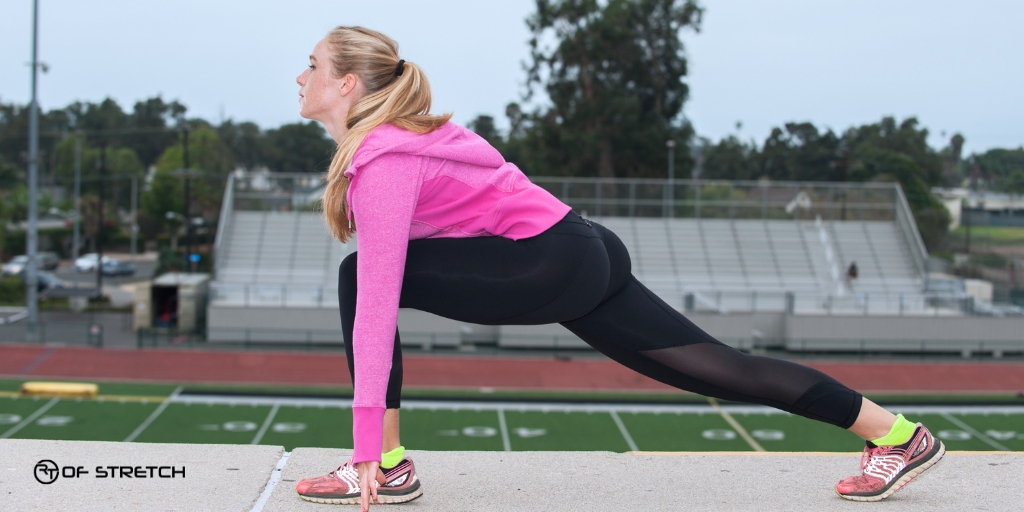
Drop into a half-kneeling position with one knee on the ground. Tuck your tailbone slightly and press your hips forward. You should feel a deep stretch in the front of the back hip.
Hours of running, cycling, or sitting shorten these muscles, so athletes feel a big release here. Hold 30 to 45 seconds per side.
3. Pigeon Pose
From all fours, bring your right shin forward and lower your hips to the floor. Square your hips as best you can. Pigeon opens the glutes and outer hip rotators, which take a beating during sprinting, jumping, and lifting. Hold 45 to 60 seconds per side.
4. Standing Quadriceps Stretch
Stand tall, grab one ankle, and pull your heel toward your glute. Keep your knees in line and avoid arching your back. Hold 30 seconds each leg. This one is a staple after lower-body strength training or long runs.
5. Wall Calf Stretch
Place your hands on a wall, step one foot back, and press the heel into the floor. Keep the back leg straight. Switch and bend the back knee slightly to catch the lower calf. Hold each variation for 30 seconds. Calves work overtime in nearly every sport, so they deserve attention.
Top Cooldown Stretches for Beginners
If you’re new to fitness, your goal should be gentle and consistent rather than deep and intense. These five are easy to learn and feel good from day one.
1. Child’s Pose
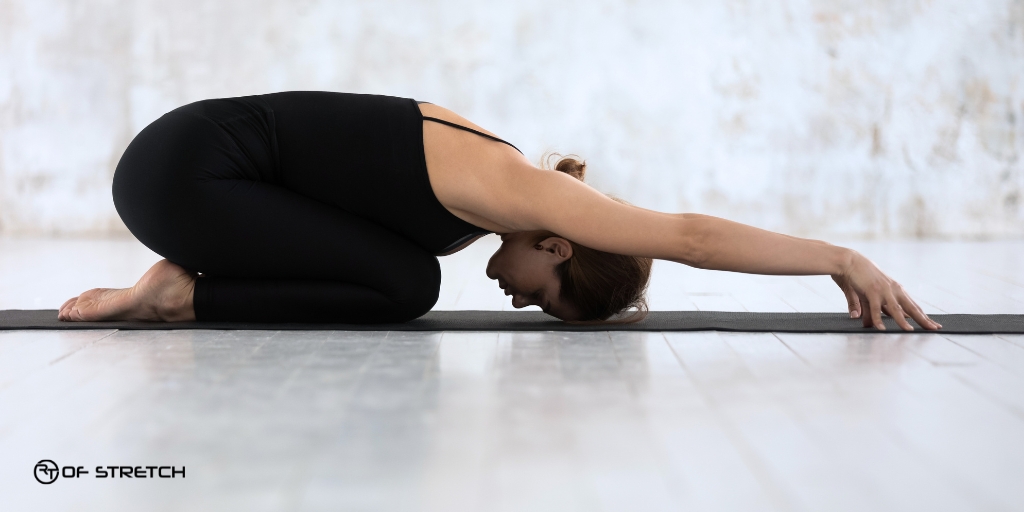
Kneel on the floor, sit your hips back toward your heels, and walk your hands forward. Let your forehead rest on the mat. This pose calms the nervous system and gently lengthens the lower back. Hold for 60 seconds and breathe slowly.
2. Seated Forward Fold
Sit with your legs straight in front of you. Reach forward with a flat back, only going as far as feels comfortable. There’s no need to touch your toes. The point is steady tension, not pain. Hold 30 to 45 seconds.
3. Cat-Cow
On all fours, alternate between arching your back toward the ceiling (cat) and dropping your belly toward the floor (cow). Move slowly with your breath for 8 to 10 cycles. It’s a kind way to mobilize the spine and ease any stiffness that builds up during your session.
4. Supine Knee-to-Chest
Lie on your back and pull one knee toward your chest. Keep the opposite leg straight on the floor if you can. Hold 30 seconds, then switch. This stretch eases tightness in the lower back and hips, which often feel tight after walking or light cardio.
5. Overhead Triceps Stretch
Reach one arm overhead, bend the elbow, and let your hand fall behind your head. Use the other hand to gently press the elbow back. Hold 20 to 30 seconds per side. Great for anyone new to upper-body workouts.
Common Cooldown Stretching Mistakes That Slow Recovery
Even people who stretch regularly often make small stretching mistakes that limit results.
- Going too hard. A cooldown stretch should feel like a 5 or 6 out of 10 in intensity, never sharp pain.
- Holding your breath. Slow exhales tell your nervous system it’s safe to relax.
- Skipping the lower body. Hips, hamstrings, and calves drive most movement and need the most attention.
- Rushing through. Less than 5 minutes rarely produces lasting change. Aim for 10 minutes minimum.
- Only stretching what’s tight. Symmetry matters. Stretch both sides even if one feels fine. This is where it helps to understand how static and dynamic stretching affect the body differently, since recovery and flexibility improve when both are used properly.
Final Thought
Cooldown stretches are one of the easiest wins in fitness. Ten minutes after each workout keeps your body moving well, eases next-day soreness, and protects the flexibility you’ve worked for. Pick three or four stretches from this guide, stick with them for two weeks, and pay attention to how your hips, back, and hamstrings feel. If you want to push recovery further, an assisted stretch session with a certified therapist can open up a range of motion you didn’t know you had.
Take Your Recovery Further With Assisted Stretching
Cooldown stretches can help reduce muscle tightness and support recovery, but some areas can be difficult to stretch effectively on your own. At RT OF STRETCH, our assisted stretch sessions help improve flexibility, mobility, and muscle recovery through guided stretching techniques tailored to your body’s needs.
Book a session today to learn how assisted stretch therapy can help improve recovery, reduce stiffness, and keep you moving comfortably after workouts, sports, and daily activities.
FAQs
How long should a cooldown stretch session last?
Aim for 10 to 15 minutes after every workout. That’s enough time to cover the major muscle groups without cutting into the rest of your day.
Are cooldown stretches different from warm-up stretches?
Yes. Cooldown stretches are static, meaning you hold each position for 20 to 60 seconds. Warm-ups should be dynamic, using controlled movements like leg swings or arm circles.
Can stretching after exercise prevent soreness?
Stretching won’t completely eliminate soreness, but it can reduce the severity of DOMS and help muscles recover their resting length faster.
Should beginners hold stretches as long as athletes?
Not at first. Beginners usually do well with 20- to 30-second holds, while athletes and experienced exercisers can stretch for up to 60 seconds for a deeper release.
How often should I do cooldown stretches?
After every workout is ideal. On rest days, even 5 to 10 minutes of gentle stretching keeps tissues mobile and ready for your next session.