
Football can quickly lead to tight muscles and restricted movement, especially after intense training or matches. When your legs and hips feel stiff, simple actions like sprinting, turning, or kicking lose power and control, increasing the risk of strains and injuries. Many players deal with this without realizing how much it affects both performance and recovery.
In this guide, you will learn the best stretches for football and how to use them at the right time. We will show you a simple 10-minute routine with dynamic stretches before a match and static stretches after to support performance and recovery. You will also learn step-by-step exercises you can follow to improve flexibility, reduce muscle tightness, and move more efficiently on the field.
Best Stretches for Football Before a Match (4 Minutes)
Before a match, use dynamic stretches over static. These are controlled movements that activate muscles and increase blood flow without holding a position.
Step #1: Dynamic Leg Swings (1 minute)
This activates the hamstrings and hip flexors to support faster sprints, better control, and efficient movement during play.
- Stand upright and swing one leg forward and back
- Keep movements controlled
- Repeat 10–15 swings per leg
Step #2: Walking Lunges With Rotation (1 minute)
This activates the quads, glutes, and hips, which support powerful strides, balance, and quick changes in direction.
- Step forward into a lunge
- Rotate your torso toward the front leg
- Repeat 8–10 reps per side
Step #3: Lateral Lunges (1 minute)
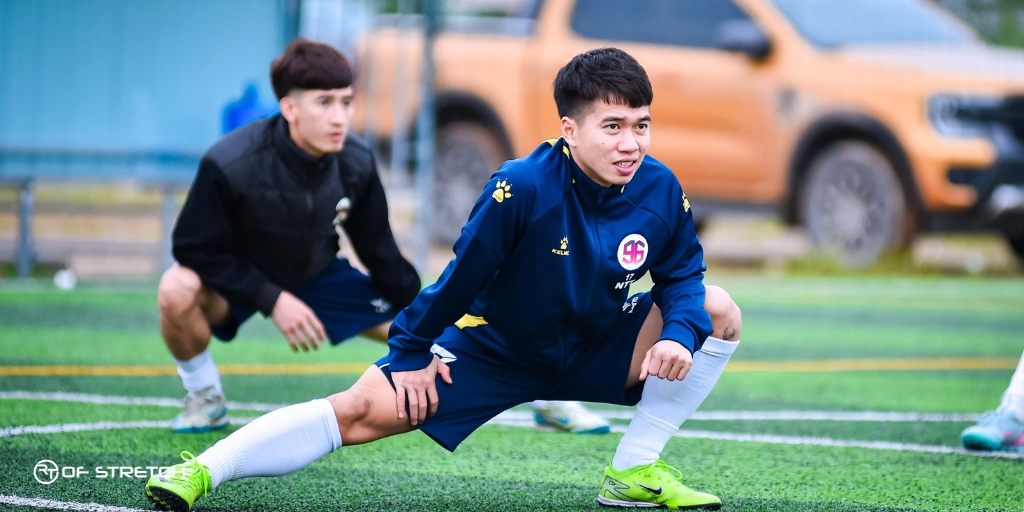
This activates the groin (adductors) and hips, which support lateral movement, balance, and quick direction changes.
- Step sideways and bend one knee
- Keep the other leg straight
- Alternate sides for 8–10 reps
Step #4: Light Movement + Repeat (1 minute)
Repeat the sequence to keep your muscles warm, active, and ready for movement.
Best Stretches for Football After a Match (6 Minutes)
After the match, switch to static stretches. These are held positions that help muscles relax and recover.
Step #1: Standing Quad Stretch (1 minute)
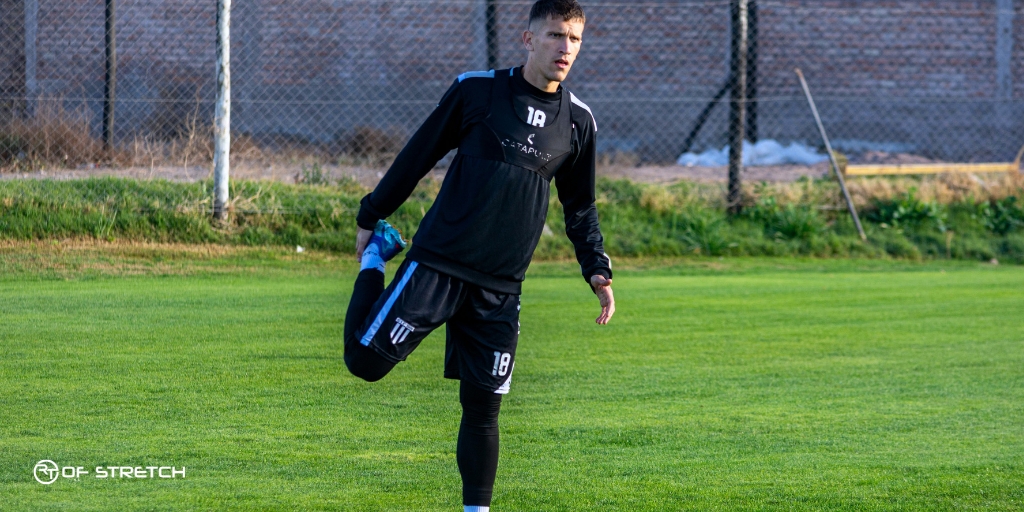
This targets the quadriceps, helping improve kicking power, sprinting strength, and overall leg control.
- Stand tall and pull your foot toward your glutes
- Keep knees close together
Step #2: Seated Hamstring Stretch (1 minute)
This targets the hamstrings, helping improve stride length, sprint speed, and overall movement efficiency.
- Sit with legs extended
- Reach toward your toes while keeping your back straight
Step #3: Calf Stretch Against Wall (1 minute)
This targets the calves and Achilles, helping improve push-off power, balance, and lower leg stability during movement.
- Place one foot behind
- Press heel into the ground
Step #4: Groin Stretch (1 minute)
This targets the inner thighs (adductors), helping improve lateral movement, stability, and reducing the risk of groin strain.
- Sit with the soles of your feet together
- Gently press your knees toward the floor
Step #5: Hip Flexor Stretch (1 minute)
This targets the hip flexors, helping improve stride length, running posture, and overall mobility.
- Step into a lunge position
- Push hips forward slightly
Step #6: Glute Stretch (1 minute)
This targets the glutes, helping improve stability, balance, and power during running and directional changes.
- Cross one leg over the other
- Pull gently toward your chest
When to Do the Best Stretches for Football
The best stretches for football players depend on timing. Dynamic stretches are most effective before a match to prepare the body for movement, while static stretches are better after playing to support recovery. Using both in a simple routine helps improve performance and reduce injury risk.
Why Stretching Matters for Football Players
Football places constant stress on the muscles through sprinting, sudden stops, and quick direction changes. These repeated movements load the legs and hips, often leading to tightness and reduced mobility over time, which highlights the importance of football stretches for staying consistent on the field.
Tight muscles also increase the risk of strains, especially during explosive actions. Utilizing the top stretches for athletes help improve flexibility, support better muscle coordination, and reduce the accumulated tension and stiffness that follows intense training or matches.
Benefits of regular stretching for football players include:
- Better flexibility and mobility
- Reduced muscle tension
- Improved speed and agility
- Lower risk of common football injuries
Improve Your Flexibility and Recovery
Stretching helps, but it may not always be enough on its own. If you still feel tight, it can mean the muscles need deeper work or more consistent recovery.
In some cases, assisted stretching can help target hard-to-reach areas and improve flexibility more effectively. If stiffness keeps returning, adding extra recovery methods can help you move more freely and stay consistent on the field.
Final Thoughts
Stretching for football doesn’t have to be complicated. A short routine before and after playing keeps your muscles ready for the game. Use dynamic stretches before a match and static stretches after to support performance and recovery.
Over time, consistent stretching helps your body move more freely and reduces strain on key muscles like the hips, hamstrings, and calves. Even a simple 10-minute routine can noticeably improve how you perform and feel on the field.
Consider Assisted Stretching to Improve Flexibility and Recovery
At RT OF STRETCH, we offer guided assisted stretching sessions that help release tight muscles and improve flexibility through deeper, controlled movements. If you still feel tight after stretching, it may be a sign that certain muscles aren’t being fully released and need more targeted work.
Our sessions focus on the muscle groups most used in football to help reduce stiffness, improve mobility, and support faster recovery. Book a session to move better, feel less tight, and stay consistent on the field.
FAQs
How long should football players stretch?
You do not need a long session. A simple routine works well:
- 4–5 minutes before a match (dynamic stretching)
- 5–10 minutes after a match (static stretching)
Consistency matters more than duration. Even short routines done regularly can improve flexibility and reduce stiffness.
Can stretching improve football performance?
Yes. Stretching improves how your muscles move and work together. Better flexibility and mobility can lead to smoother movement, quicker reactions, and more efficient sprinting and turning. Over time, this supports better overall performance on the field.
What if I feel tight even after stretching?
If you still feel tight, it may mean the muscles need more consistent work or a different approach. Make sure you are not rushing through stretches and that you are breathing steadily. If tightness continues, adding mobility work, foam rolling, or assisted stretching can help target deeper areas that are harder to reach on your own.
What stretches help prevent football injuries?
The best stretches for football injury prevention target the hamstrings, groin, hip flexors, and calves. Use dynamic stretches before playing to prepare muscles and static stretches after to reduce tightness. This helps lower the risk of common injuries like muscle strains and pulls.
Can stretching reduce muscle soreness after football?
Yes, stretching can help reduce muscle soreness after football by improving blood flow and releasing muscle tension. When combined with proper recovery, it can help you feel less stiff and recover more comfortably after matches or training.