
Cold weather has a way of making your body feel tighter and stiffer than usual. Muscles warm up more slowly, joints feel less flexible, and even simple movements can leave you feeling sore. Winter often turns everyday activities into a test of how well your body can keep up.
In this blog, we’ll explain how stretching helps ease winter muscle soreness and keeps your body moving comfortably during colder months. You’ll learn why flexibility matters more in winter and how regular stretching can reduce stiffness, improve circulation, and help you feel looser all season long.
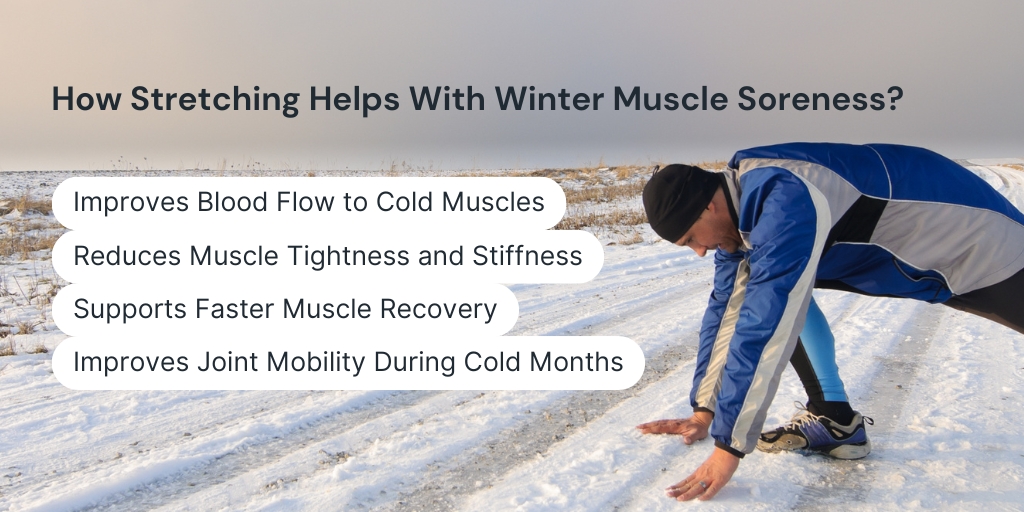
1. Improves Blood Flow to Cold Muscles
One of the benefits of stretching is that it increases circulation throughout the body. Better blood flow warms muscles and delivers oxygen where it is needed. This reduces stiffness and helps muscles feel more relaxed.
2. Reduces Muscle Tightness and Stiffness
Gentle stretching lengthens muscles that tighten in cold weather. This makes movement easier and reduces that locked-up feeling many people notice in winter mornings.
3. Supports Faster Muscle Recovery
Stretching helps muscles recover after activity, even simple daily tasks. It eases tension and prevents soreness from building up over time.
4. Improves Joint Mobility During Cold Months
Stretching keeps joints moving through a comfortable range. This helps reduce joint stiffness caused by cold temperatures and inactivity.
Essential Stretches To Fight Sore Winter Muscles
Specific muscle groups feel winter soreness more than others. Regularly stretching these areas can make a big difference.
- Neck and shoulder stretches help relieve tension caused by cold air and stress. These areas tighten quickly during winter, especially for people who sit for long periods.
- Lower back stretches ease stiffness caused by sitting more and moving less. Gentle movements help the back feel loose and supported.
- Hip and hamstring stretches are essential since these muscles shorten when activity levels drop. Stretching them helps improve posture and comfort.
- Calf and ankle stretches keep the lower legs flexible. Cold weather often causes tight calves, especially when walking outside less often.
- Full-body stretches bring everything together. Even simple movements can help the whole body feel more balanced and mobile.
Best Times to Stretch During Winter
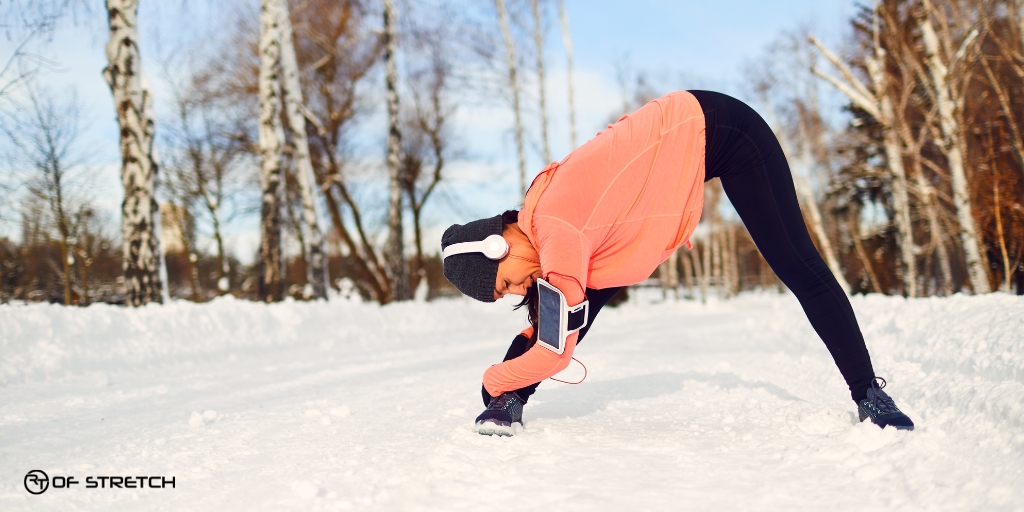
- Morning stretching helps loosen stiff muscles after sleep. It prepares the body for movement and helps you feel more awake. Gentle movement increases blood flow, and stretching improves mental clarity by helping the body and mind transition into the day.
- Stretching after physical activity helps muscles relax and recover. This is helpful even after light activity, such as walking or housework. It prevents tension from building up later.
- Evening stretching helps release tension built up throughout the day. It can calm the nervous system and help the body feel more settled before rest.
Why Muscle Soreness Is More Common in Winter
Cold weather makes muscles more prone to tightening. When muscles tighten, they lose flexibility and feel stiff. Blood flow also slows at lower temperatures, prolonging soreness.
Winter often leads to less movement. People sit more, walk less, and spend more time indoors. This lack of activity adds to muscle stiffness and joint discomfort.
Safe Stretching Tips for Cold Weather
Always warm up before stretching. A few minutes of light movement helps protect muscles from strain. Move slowly and stay within a comfortable range. Stretching should feel gentle, not painful. Focus on breathing. Slow breaths help muscles relax and improve the benefits of stretching.
When Extra Stretching Support May Help
Some people feel soreness even with regular stretching. This may happen when movement is limited or stiffness builds up over time. Cold weather can make it harder to stretch deeply and comfortably on your own. Assisted stretching provides gentle support that helps muscles relax and move through a safer range of motion.
Long hours of sitting or standing can increase tension. Additional stretching support can help restore comfort.
Final Thoughts
Winter muscle soreness is common, but it does not have to control how you feel. Stretching helps warm muscles, improve circulation, and reduce stiffness during cold months. Staying consistent with gentle stretching can keep your body comfortable, mobile, and ready to move all winter long.
Stay Comfortable and Loose All Winter
If winter muscle soreness keeps coming back, professional support can help. RT OF STRETCH offers assisted stretching that helps reduce stiffness, improve flexibility, and keep your body moving comfortably during colder months.
Contact us to book a session today and feel the difference this winter.
FAQs
Why do my muscles feel tighter in winter?
Cold temperatures reduce circulation and cause muscles to tighten. Less movement during winter also adds to stiffness.
How often should I stretch during winter?
Stretching daily works best, even if it is only for five to ten minutes. Consistency helps prevent soreness from building up.
Is stretching enough to relieve winter muscle soreness?
Stretching helps a lot, but staying active and warming up properly also matters. All three work best together.
Should I stretch longer in winter than in other seasons?
You do not need longer stretches, but you may need more gentle movement before stretching to warm up muscles.
What type of stretching is best for cold weather?
Slow, controlled stretches work best. Avoid rushing or forcing movements, especially when muscles feel tight.